

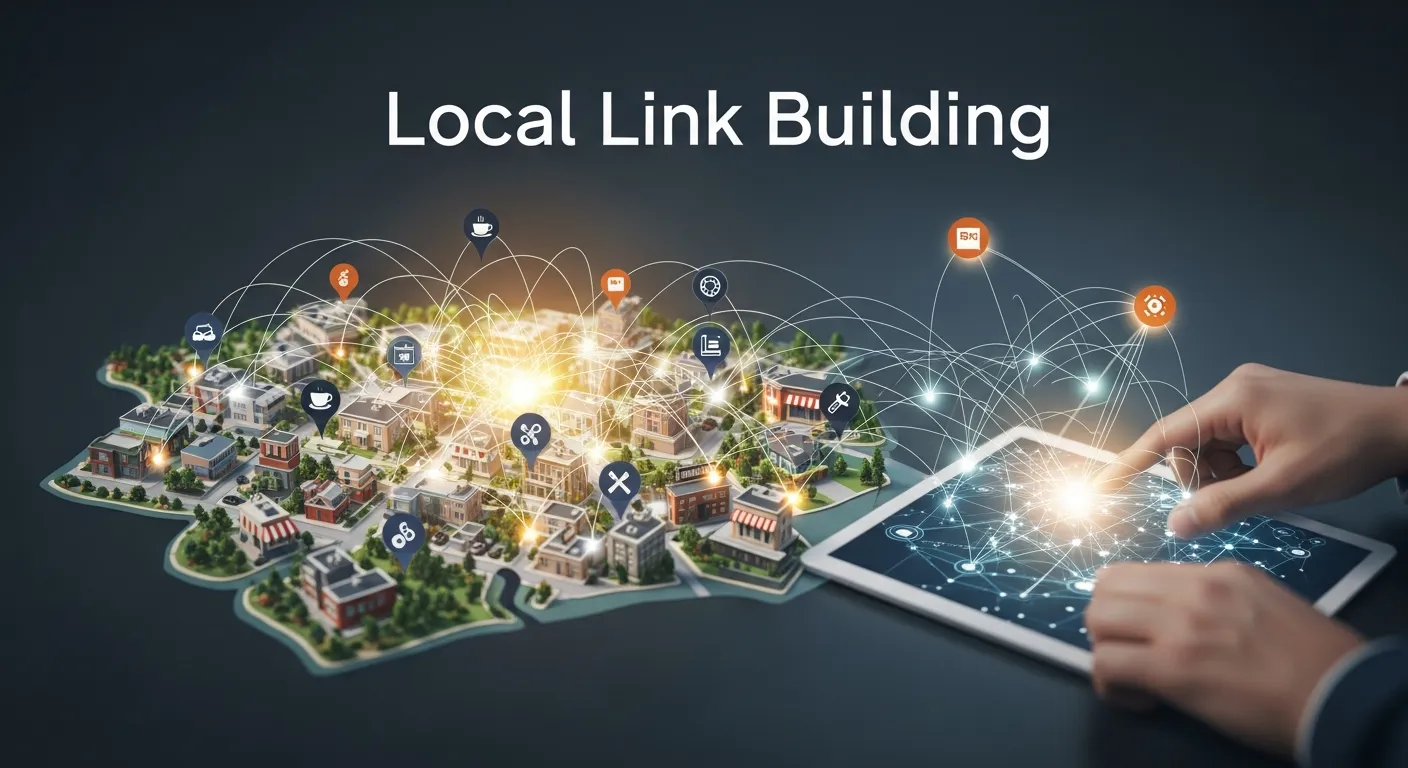
Struggling to stand out in neighborhood search results? Local Link Building connects your business with the community to drive highly targeted local traffic.
Building strong connections within your geographic area helps search engines understand your local authority. This guide covers actionable strategies, common pitfalls, and expert tips to master Local Link Building. You will learn how to boost visibility, increase community engagement, and turn nearby searchers into loyal customers.
Why Local Link Building Matters for Your Business
Local Link Building focuses on acquiring backlinks from websites relevant to your specific geographic location. Unlike broad SEO tactics, this approach emphasizes community relevance over raw domain authority. When neighborhood blogs, regional news outlets, and nearby businesses link to your site, search engines view your business as a trusted entity in that specific area. This local authority directly influences your rankings in the local pack and localized organic search results.
Search engines prioritize relevance. If you run a bakery in Austin, a backlink from a prominent Austin food blogger carries significantly more weight for local search queries than a link from a generic national directory. Local Link Building establishes geographic relevance, builds brand awareness, and drives high-converting traffic right to your doorstep. Integrating this with your Google Business Profile optimization ensures a cohesive digital footprint.
The Anatomy of a Perfect Local Backlink
Not all backlinks offer the same value. To maximize your Local Link Building efforts, you need to understand what makes a link truly impactful for local SEO.
The ideal backlink comes from a website that operates in the same city or region as your business. The content surrounding the link should logically relate to your industry or your community involvement. A link from a local Chamber of Commerce, for instance, provides massive trust signals. The anchor text should read naturally, incorporating your brand name or a variation of your target service without looking spammy. Earning links from sites with actual human traffic guarantees that your Local Link Building strategy generates real leads alongside SEO benefits.
Step-by-Step Local Link Building Strategies
Implementing a successful Local Link Building campaign requires a mix of digital outreach and offline community engagement. Follow these actionable steps to build a robust backlink profile.
1. Leverage Local Sponsorships and Community Events
One of the most effective Local Link Building methods involves supporting your community. Sponsor a youth sports team, a 5K charity run, or a neighborhood festival. Event organizers and organizations almost always feature their sponsors on their websites, complete with a backlink.
Start by searching for local events looking for sponsors. Reach out to the organizers, offer your support, and ensure they include a link to your website on their sponsor page. This tactic improves your SEO and builds incredible goodwill among your target audience. Check out resources on the Moz blog for more insights on evaluating sponsorship opportunities.
2. Capitalize on Unlinked Brand Mentions
Sometimes local news outlets, neighborhood forums, or regional bloggers mention your business but forget to include a link. Finding these unlinked mentions represents a massive Local Link Building opportunity.
Set up alerts for your business name using media monitoring tools. When you spot an unlinked mention on a local website, send a polite email to the editor or author. Thank them for the mention and kindly ask if they could turn your business name into a clickable link to help their readers find you easily. You can combine this with on-page local SEO efforts by directing that link to a highly optimized location page.
3. Maximize Local Business Directories and Citations
While basic directory listings might seem outdated, hyper-local and industry-specific directories remain vital for Local Link Building. These citations validate your business information and provide foundational local backlinks.
Focus on directories specific to your city or your niche. Think about local merchant associations, regional trade groups, or city-specific review platforms. Ensure your Name, Address, and Phone number remain consistent across all platforms. This consistency reinforces the geographic signals you send to search engines.
4. Partner with Local Influencers and Bloggers
Every city has digital creators who document local food, lifestyle, or business scenes. Partnering with these local influencers provides a modern avenue for Local Link Building.
Identify bloggers or social media personalities whose audience aligns with your customer base. Invite them to experience your product or service. If they enjoy the experience, they will likely feature you on their blog or website. These localized reviews offer highly relevant backlinks and expose your brand to an engaged, geographically targeted audience.
5. Create Highly Shareable Local Content
Content marketing plays a huge role in Local Link Building. Create resources that provide immense value to your specific community.
Develop comprehensive neighborhood guides, maps of local attractions, or data-driven studies about your city’s economy. When you publish high-quality local content, other regional websites, news outlets, and community organizations will naturally link to it as a resource. This inbound marketing approach attracts links passively while establishing your brand as a local authority. Make sure to implement strong internal linking strategies to guide this new traffic to your core service pages.
Pro Tips for Accelerating Your Local SEO Success
Want to take your Local Link Building to the next level? Apply these expert insights to maximize your return on investment.
Build real relationships first. Never start an interaction by asking for a link. Attend networking events, interact with local businesses on social media, and provide value before making a request. A strong relationship makes link acquisition effortless.
Host a community class or workshop at your physical location. Send press releases to local journalists and community calendars. News websites love covering educational community events, and these mentions almost always include high-authority local backlinks. For advanced tactical advice, reference authoritative guides on Search Engine Journal to refine your outreach templates.
Structured Comparison: Traditional vs. Local Link Building
Understanding the difference between broad link building and Local Link Building helps you allocate your resources effectively.
|
Feature |
Traditional Link Building |
Local Link Building |
|---|---|---|
|
Primary Goal |
High Domain Authority |
High Geographic Relevance |
|
Target Websites |
National/Global publications, large blogs |
Neighborhood blogs, local news, regional directories |
|
Key Metric |
Domain Rating (DR) / Domain Authority (DA) |
Local community trust and geographic proximity |
|
Anchor Text Focus |
Exact match keywords, broad industry terms |
Brand name, localized keywords (e.g., “Miami plumber”) |
|
Outreach Method |
Cold email pitching at scale |
Relationship building, local networking, sponsorships |
Common Mistakes to Avoid in Local Link Building
Many businesses stumble when executing a Local Link Building strategy. Avoid these frequent errors to keep your local SEO campaign on track.
Do not ignore the power of unstructured citations. Focusing entirely on major directories while ignoring local newspaper mentions or neighborhood association links limits your potential. Every local mention counts.
Avoid buying cheap local links from spammy networks. Search engines easily detect unnatural link patterns. A handful of genuine local links from real community organizations will always outperform hundreds of low-quality, purchased links. Focus on authenticity and community value.
Never neglect your website’s user experience. You can execute perfect Local Link Building, but if visitors arrive at a slow, hard-to-read website, they will leave. Ensure your site loads quickly and functions perfectly on mobile devices. Consider reading up on core web vitals through Google Search Central to ensure your technical foundation supports your link building efforts. Always connect your outreach with proper local SEO reporting to track what actually moves the needle.
Measuring the Impact of Your Local Link Building Efforts
To understand the success of your Local Link Building campaign, you must track the right metrics. Monitor your localized organic traffic using web analytics. Look for increases in traffic coming from specific cities or neighborhoods.
Keep an eye on your local pack rankings for target keywords. As you acquire more community-based links, your visibility in the map pack should improve. Track referral traffic from the specific local websites linking to you to see if those community connections are driving actual human visitors to your site.
Community-focused SEO requires patience, but the long-term payoff is massive. By embedding your brand into the digital fabric of your city, you create a sustainable competitive advantage that outlasts algorithmic changes.
To truly win at local search, you must commit to Local Link Building as an ongoing process rather than a one-time project. Get involved in your community, create exceptional local resources, and forge genuine partnerships with neighboring businesses.
Start your Local Link Building campaign today by identifying three local organizations to partner with—your community is waiting to connect, and your search rankings will thank you.
FAQs
What is the main difference between general SEO and local SEO?
General SEO focuses on ranking a website globally or nationally for specific search terms. Local SEO focuses on optimizing a business to appear in search results for a specific geographic area, connecting nearby customers with local services.
How do local sponsorships help my website rank higher?
When you sponsor a local event or organization, they typically thank you by placing your logo and a link to your website on their sponsor page. This highly relevant local link tells search engines that you are a trusted, active member of the community.
Can I do local link acquisition if I am a service area business without a physical storefront?
Yes. Service area businesses can still sponsor local events, join regional chambers of commerce, and partner with local bloggers. As long as the linking websites are in your service area, you will gain the geographic relevance needed for higher rankings.
How many community links do I need to rank on the first page?
There is no magic number. It depends heavily on the competitiveness of your market and industry. Focus on the quality and local relevance of the links rather than the raw quantity. A few highly trusted local links often beat dozens of low-quality ones.
Do social media links count toward my local search authority?
Most social media links are “nofollow,” meaning they do not directly pass traditional SEO link equity. However, maintaining active local social profiles drives brand awareness, generates referral traffic, and validates your local existence to search engines.
What is an unlinked brand mention, and how do I fix it?
An unlinked brand mention happens when a website talks about your business but does not provide a clickable link to your site. You can fix this by contacting the website owner, thanking them for the feature, and politely asking them to add the link.
Why is consistent NAP information important for local search?
NAP stands for Name, Address, and Phone number. Search engines use this data across various directories to verify your business. Inconsistent NAP data confuses search engines and damages your trust score, hindering your ability to rank locally.
Should I reach out to my competitors for backlinks?
While you generally do not ask direct competitors for links, you should partner with complementary businesses. For example, a local plumber and a local electrician share a customer base but do not compete. They can comfortably link to each other’s websites.
How long does it take to see results from community-based SEO outreach?
SEO is a long-term strategy. You can typically expect to see noticeable movements in your local rankings and organic traffic within three to six months of executing a consistent, high-quality community outreach and link acquisition campaign.
Are local directory listings still relevant today?
Yes, but quality matters over quantity. While spammy directories provide no value, getting listed in reputable, hyper-local directories, industry-specific platforms, and local chamber of commerce websites remains a fundamental tactic for establishing local authority.



Leave a Reply